

Ultimate PMSM Motor for EV Guide: Working, Benefits, PMSM Applications
Electric vehicles are transforming the future of transportation, and at the heart of every EV is a motor that determines its performance, efficiency, and driving experience. Choosing the right motor is one of the most important decisions when designing or upgrading an electric vehicle.
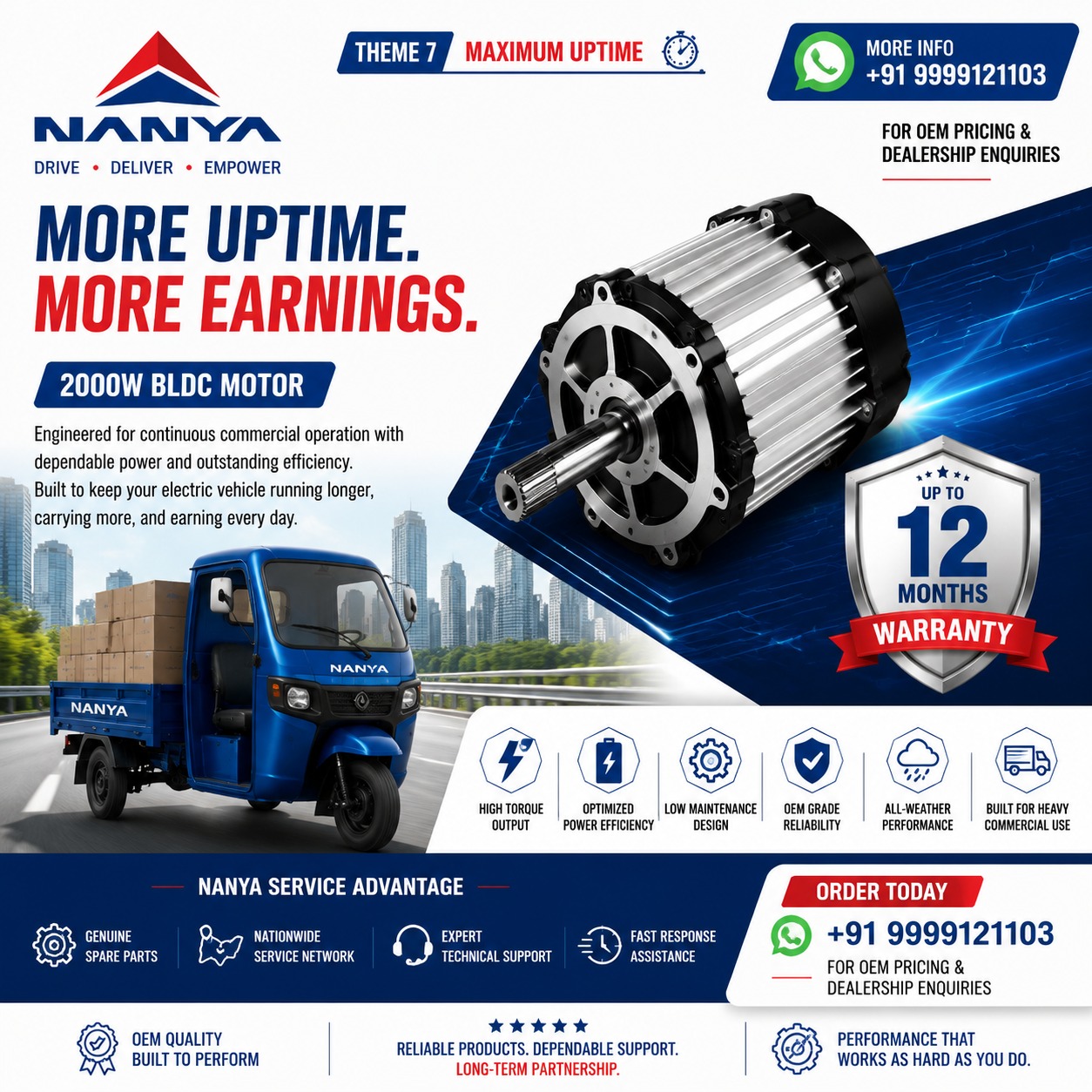
A Permanent Magnet Synchronous Motor (PMSM) has become one of the most widely used motor technologies because it delivers high efficiency, strong torque, smooth operation, and precise speed control. Whether it's an electric car, scooter, motorcycle, bus, or e-rickshaw, a PMSM Motor for EV offers reliable performance across a wide range of applications.
This guide explains how a PMSM motor works, its advantages, common applications, the differences between PMSM and BLDC motors, and the key factors to consider when selecting the right motor for your electric vehicle.
What Is a PMSM Motor?
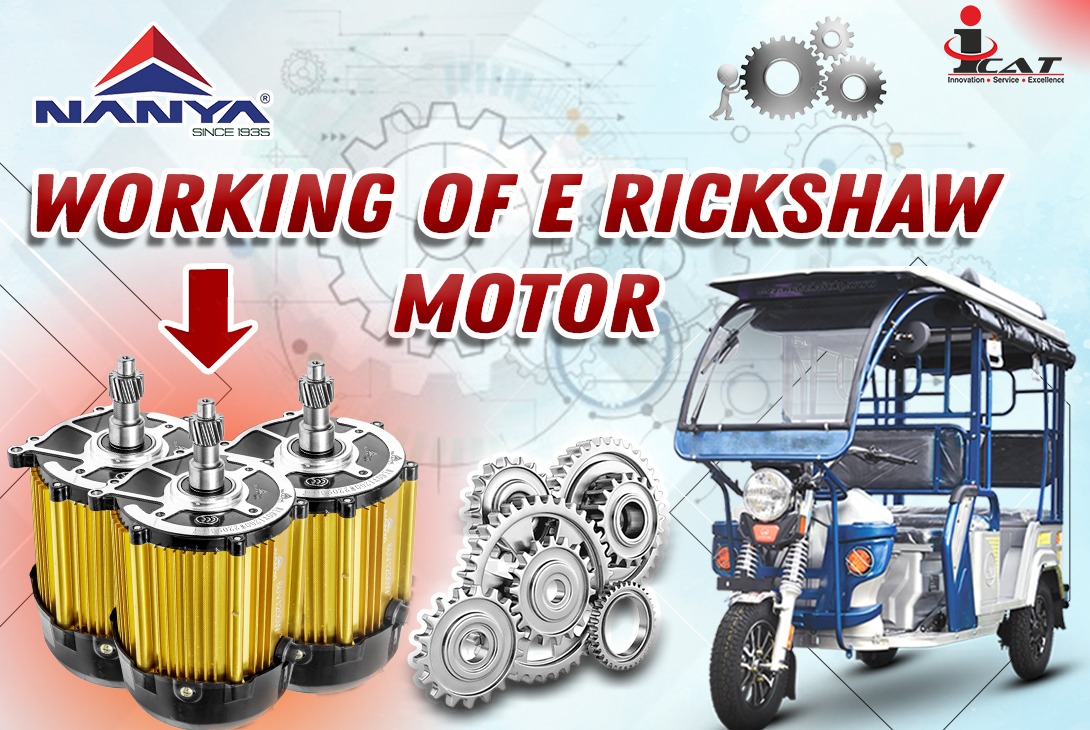
A Permanent Magnet Synchronous Motor (PMSM) is an AC electric motor that uses permanent magnets mounted on the rotor instead of electromagnets. The rotor rotates at exactly the same speed as the rotating magnetic field generated by the stator, which is why it is called a synchronous motor.
Unlike induction motors that experience a small amount of slip, a PMSM motor maintains synchronized rotation throughout operation. This design minimizes energy losses and provides excellent efficiency.
Today, PMSM motors are commonly found in:
Their ability to deliver consistent power with efficient energy use makes them one of the preferred motor technologies for modern electric vehicles.
How Does a PMSM Motor Work?
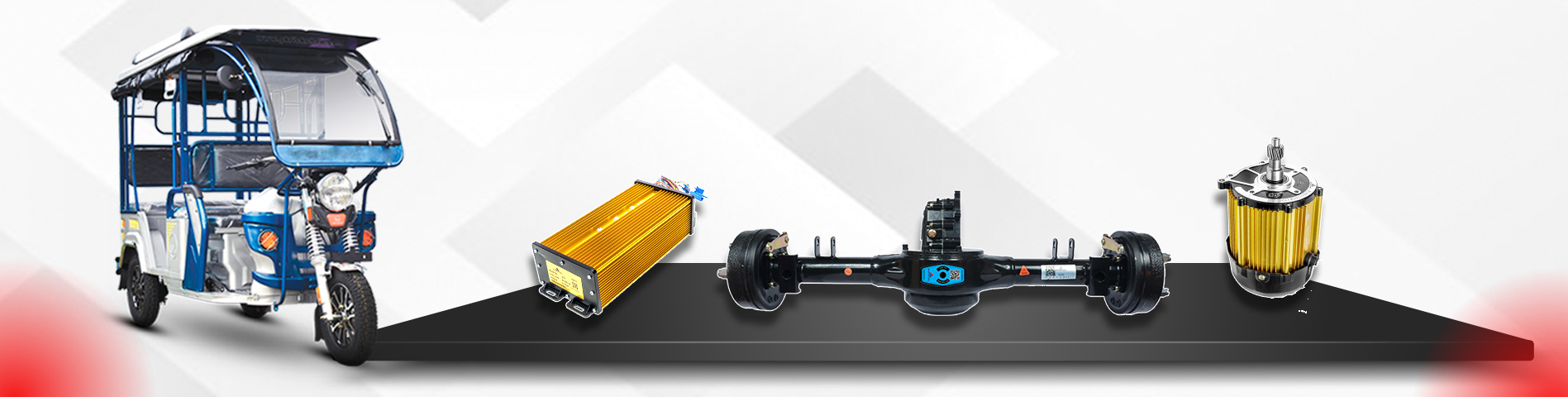
A PMSM motor consists of three primary components:
1. Stator
The stator contains three-phase copper windings. When alternating current flows through these windings, it creates a rotating magnetic field.
2. Rotor
The rotor contains permanent magnets that rotate in synchronization with the stator's magnetic field.
3. Inverter (Motor Controller)
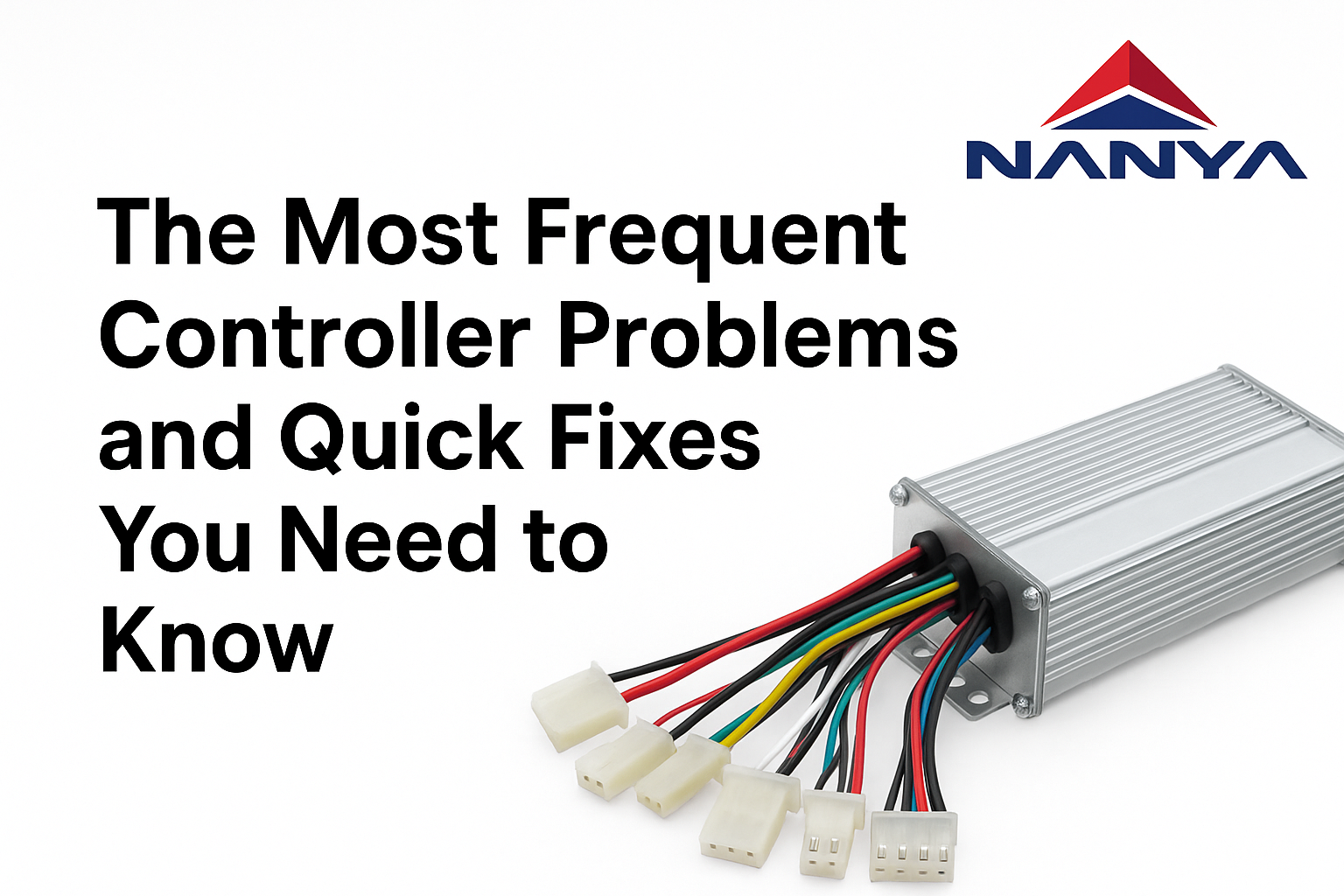
Since EV batteries supply DC power, an inverter converts this power into three-phase AC while controlling voltage and frequency. This enables smooth acceleration, accurate speed regulation, and precise torque control.
Because the rotor stays synchronized with the magnetic field, there is no slip during operation, contributing to efficient and stable performance.
Advantages of Using a PMSM Motor for EV
High Energy Efficiency
A PMSM motor convert’s electrical energy into mechanical power with minimal losses, making it well suited for electric vehicles where efficient energy use is important.
Strong Torque
The motor provides high torque from low speeds, making it suitable for city driving, frequent stops, and climbing gradients.
Smooth and Quiet Operation
Synchronized rotor movement helps reduce vibration and operating noise, creating a more comfortable driving experience.
Compact Design
Despite its relatively small size, a PMSM motor can deliver high power output, making it ideal where installation space is limited.
Lower Maintenance
With no brushes and fewer wear-prone mechanical parts, PMSM motors generally require less routine maintenance than brushed motor designs.
Main Components of a PMSM Motor
Stator
Produces the rotating magnetic field.
Rotor
Contains permanent magnets that rotate with the magnetic field.
Inverter
Converts DC battery power into controlled three-phase AC power.
Bearings
Support smooth rotor movement and reduce friction.
Cooling System
Helps manage operating temperatures during continuous use.
Applications of PMSM Motors
Because of their reliable performance and efficient operation, PMSM motors are widely used in:
As electric mobility continues to expand, PMSM motors remain an important choice across both transportation and industrial applications.
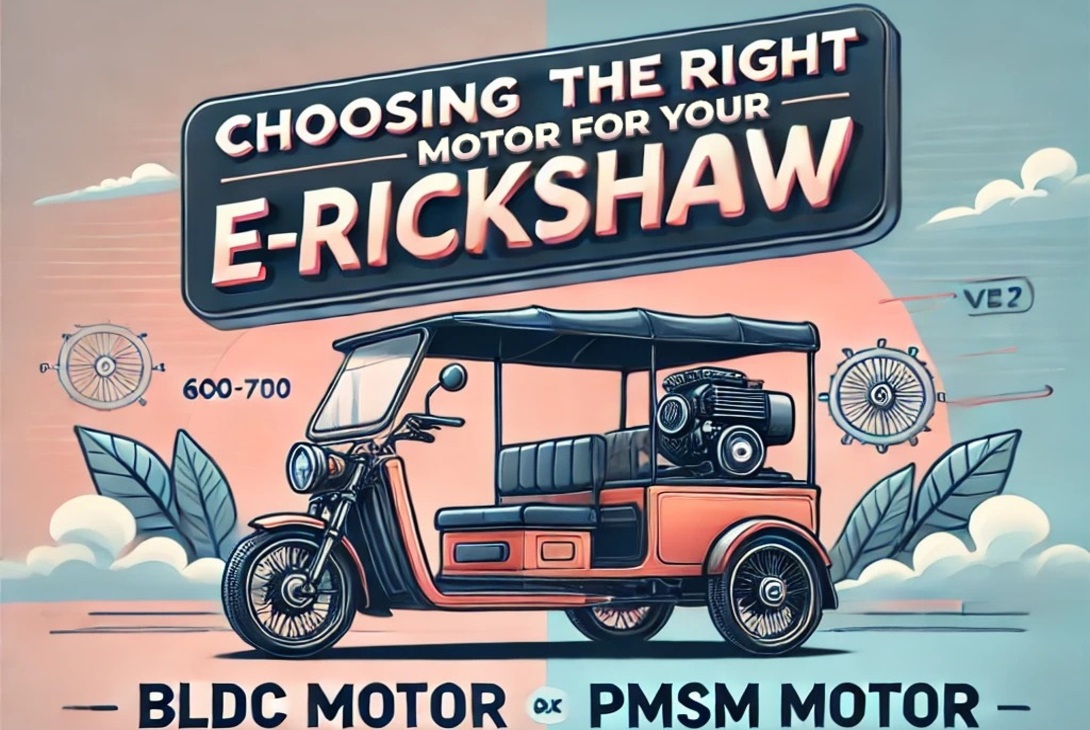
PMSM vs BLDC Motor
Both PMSM and BLDC motors use permanent magnets, but they differ in operation and control. Choosing between them depends on the vehicle's performance requirements and application.
|
Feature |
PMSM Motor |
BLDC Motor |
|
Efficiency |
High synchronous operation |
High efficiency with electronic commutation |
|
Torque Delivery |
Smooth and consistent |
Strong low-speed torque |
|
Noise |
Low vibration and quiet operation |
Slightly higher switching noise |
|
Cost |
Generally higher |
Generally lower |
|
Controller Complexity |
More advanced control |
Simpler control |
|
Best Applications |
Electric cars, buses, premium scooters |
E-bikes, standard scooters, light EVs |
How to Choose the Right PMSM Motor Manufacturer
Selecting the right PMSM motor manufacturer is important for long-term performance and compatibility.
Consider the following factors before making a decision:
Motor Power and Voltage Compatibility
Ensure the motor matches your vehicle's battery voltage and required power output.
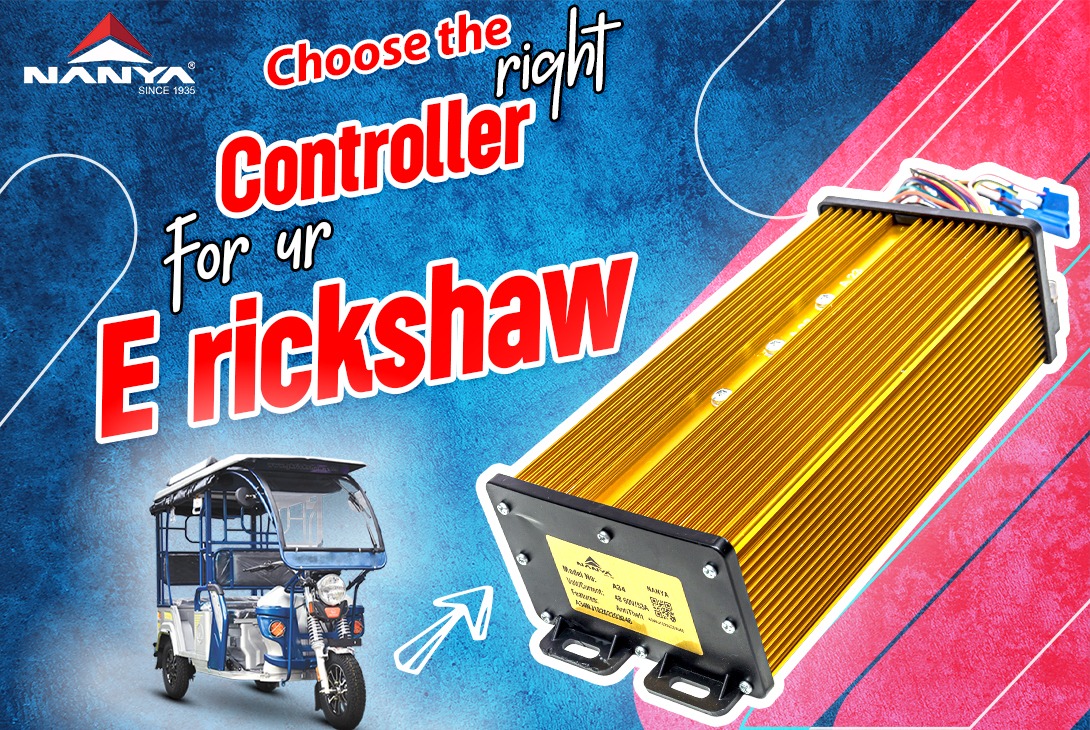
Controller Compatibility
Confirm that the motor works with the intended controller and control system.
Cooling Design
Choose a motor with a cooling solution suitable for the expected operating conditions.
Quality Testing
Ask about testing procedures used to evaluate motor performance and reliability.
IP Rating
If the motor will operate in dusty or wet environments, verify whether an appropriate IP rating is available.
Spare Parts Availability
Reliable access to replacement components can reduce downtime during maintenance.
Technical and After-Sales Support
A manufacturer that provides documentation and technical assistance can simplify installation and troubleshooting.
Tips for Selecting the Right PMSM Motor for Your EV
Before selecting a motor, evaluate:
Matching these factors helps ensure the motor is suitable for your application.
Conclusion
A PMSM Motor for EV plays an important role in delivering efficient and reliable electric vehicle performance. Its synchronized operation, smooth torque delivery, and precise control make it suitable for a wide range of electric mobility applications, from scooters and passenger vehicles to commercial EVs.
When selecting a PMSM motor, consider factors such as voltage compatibility, controller integration, cooling requirements, testing standards, and long-term service support. Taking the time to match the motor with your vehicle's specific needs can help achieve dependable performance and efficient operation.
No FAQs available for this blog.